Costs ·
How much does a commercial cost?
Estimated production budgets, sample costs, and what to allow for talent, Los Angeles permits, and airtime.
Now booking podcast studio builds, nationwide Now booking podcast studio design and builds, nationwide.
See the studiosScope-based budgeting guide with real packages, a sample budget, and LA permit facts.
 Mauricio Cimino Founder and director of photography
The short answer
Plan roughly $5,000 to $50,000 for a modest, professionally crewed music video in the US. Simpler DIY or skeleton-crew shoots can fall below that, while elaborate multi-day, cast-heavy, or effects-driven productions run well above. This is our editorial planning estimate, not a measured national average.
Key takeaways
Use these U.S. planning estimates for live-action, commissioned work to match your concept to a starting budget. They are general estimates, not Honey Video prices:
| Planning band | What it can support |
|---|---|
| $5k–$15k | A restrained performance concept in one main location, with a small team, manageable lighting and art needs, and a straightforward edit and color grade. A possible one-day plan. |
| $15k–$50k | Separate creative and technical roles, more setups or a controlled narrative, cast or choreography or art requirements, and more post time. A possible one- to two-day plan, depending on allocation. |
| $50k–$100k+ | Larger departments, multiple days or substantial sets, cast and choreography, and demanding visual effects and finishing. There is no fixed ceiling; scope sets the top. |
Tiers overlap. A simple idea can cost more when locations, permits, days, or finishing expand, and a resourceful team can do a lot inside the first band by narrowing scope. Below $5,000, consider DIY or limited-hire, skeleton-crew work; full-service production may not fit.
Hiring a camera operator buys one person to operate a camera for an agreed day. Commissioning a complete video buys preparation, shooting, and finishing: treatment plus scheduling, crew, gear, location and permits, performance direction, edit, color, revisions, and exports. If a quote looks dramatically cheaper, check whether it is labor-only or the whole commission.
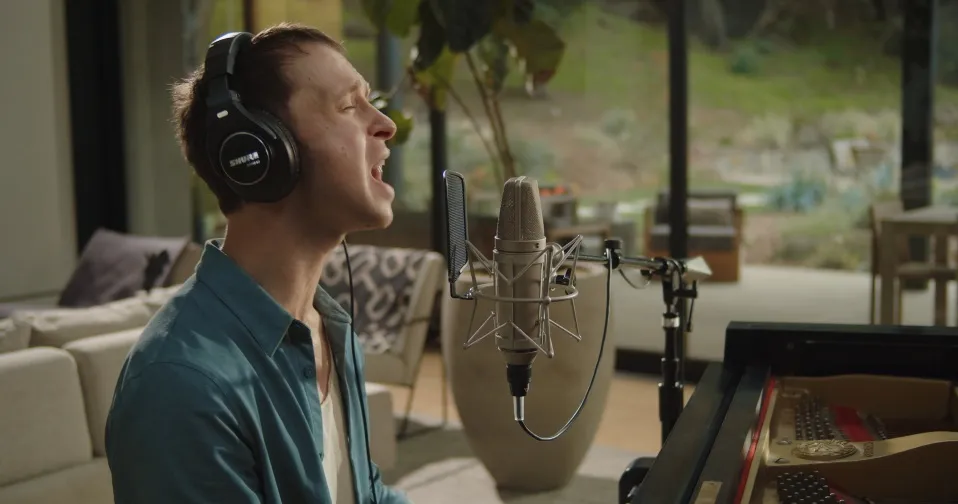 Watch the film
For a published-price comparison, Blare Video’s music-video packages show how added preparation, crew, and editing affect one provider’s prices:
| Package and what changes | Posted price |
|---|---|
| Production crew and editUp-to-10-hour shoot with a DP (director of photography/cinematographer), grip, PA (production assistant), plus camera, lens, lighting, and support package; 20-hour edit with color correction and two revision rounds. May suit an artist with treatment, location, props, and extras already handled. | $6,190$3,350 shoot+ $2,840 post |
| Director, production crew, and editAdds treatment with two revisions, an up-to-10-hour shoot with director, camera operator, grip, PA and gear, and a 25-hour edit with color and two revision rounds. | $9,215$1,250 prep+ $4,600 shoot+ $3,365 post |
| Fuller productionAdds producer, location and permit procurement, up-to-10-hour shoot with director, camera operator, grip, field producer, PA, makeup, two models/dancers/actors, studio/location and gear, plus 30-hour edit with color, minor graphics/overlays, and two revision rounds. | $14,640$2,500 prep+ $8,050 shoot+ $4,090 post |
The $3,025 gap between the first two packages isn’t a director’s isolated fee. It changes creative development, crew, gear, and post hours together. Extras such as aerial work, art or set builds, extra crew, additional formats, behind-the-scenes, and lyric videos sit outside the base inclusions.
Blare says its packages include permit or required monitoring costs, while noting that region and location scale can change prices. Confirm in writing which permit, monitoring, and location charges are inside your quote.
This hypothetical budget covers a one-day performance video shot on location in the City of Los Angeles. The figures are editorial planning allowances, not a Honey Video quote or an actual film budget. Only the identified FilmLA fees are official rates.
The plan covers one artist or band, one location with several lighting setups, and a ten-hour production day including setup and wrap. Work beyond the planned ten-hour day is outside this allowance; actual quotes must account for applicable pay rules. There are no added actors, dancers, stunts, drone, set construction, or complex visual effects. The artist supplies the song rights, approved recording, and core wardrobe. Deliverables are one roughly three-minute master plus two straightforward vertical excerpts, with two consolidated feedback rounds within the allotted edit hours.
Six people are on set: a director/producer, DP/operator, gaffer (lighting lead), camera assistant handling focus and camera support, production assistant, and hair and makeup artist. The performance uses the approved recording for playback; no live audio capture is budgeted. Recording live performance, dialogue, or production sound would need its own allowance.
Preparation and post-production happen on separate work days, outside the ten-hour shoot. This budget does not include out-of-town travel, lodging, artist fees, or media-buy costs.
| Line and basis | USD |
|---|---|
| Director/producer, concept, prep and shoot2.5 work days × $800; 1.5 prep + 1 shoot, with production coordination in scope | $2,000 |
| DP/camera operator$1,000 shoot + $500 prep allowance | $1,500 |
| GafferOne shoot day | $650 |
| Camera assistantOne shoot day | $600 |
| Production assistantOne shoot day | $350 |
| Hair and makeupOne shoot day | $500 |
| Camera, lenses, lighting and grip packageOne shoot-day rental allowance; confirm pickup/return terms | $1,200 |
| LocationOne day, access, setup, and wrap within booking | $800 |
| Props and wardrobe additionsLimited additions to artist-supplied wardrobe | $300 |
| Meals, local transport, and expendablesSmall local crew and band allowance | $350 |
| Permit, one notification radius, LAFD spot check$931 + $232 + $287, only if all three apply | $1,450 |
| Insurance premium allowanceIllustrative; get a real project or broker quote | $350 |
| Payroll costs and production administration allowanceIllustrative additional reserve, not a statutory percentage | $650 |
| Edit and revisions20 hours × $85; includes excerpt cutdowns and two feedback rounds within hours | $1,700 |
| Color and finishingBasic grade, exports, and QC allowance | $500 |
| SubtotalSum of all above | $12,900 |
| Contingency, 10%Chosen planning reserve: 10% × $12,900 | $1,290 |
| Illustrative total$12,900 + $1,290 | $14,190 |
The $85 edit-hour figure is our scenario assumption. Contingency is a chosen 10% reserve, not a guarantee that extras will fit.
The scenario shows why “one day, one place” still needs a full budget: it includes preparation, location and permit costs, and separate post-production work. If a producer offers you an all-inclusive total, compare its total and contents rather than adding duplicate payroll or gear lines on top.
Check how your quote handles artist fees, taxes, overtime, union or payroll obligations, additional permit conditions and monitors, scope changes, and extra revisions. Ask which apply and how they would be charged.
Start with creative ambition. One performance setup in one room is a different commission than five looks, three places, a story thread, and cleanups or effects in every chorus — even when both finish at three minutes. Every extra setup needs time to light, rehearse, perform, and cut.
A second shoot day adds recurring labor, equipment, location, and support costs. It does not automatically double the whole project: some concept and prep costs can be shared, while post depends on the footage and edits needed. A company move means packing, traveling, loading in, and relighting at a second address. One location with several controlled looks can leave more time for shooting. If you need more than one address, allow for that lost time as well as the second rental.
Cast, choreography, and art also need their own allowances. Dancers and actors mean casting, rehearsal, wardrobe, hair and makeup time, and more people to direct and feed. Choreography needs rehearsal before the shoot, not discovery on the day. Art builds, rentals, and returns add materials, labor, and truck time. Stunts and closures can add safety and permission requirements to the budget.
Finishing is where modest shoots quietly grow. Edit hours, color grade, visual effects, motion graphics, sound post, masters in different aspect ratios, clean and explicit versions, captions, and thumbnail frames all consume time. Agree early whether vertical outputs are simple reframes of the master or distinct planned shots and edits. Name the number of feedback rounds, who gives notes, and what counts as a revision before filming. One consolidated feedback owner helps resolve conflicting notes before they reach the editor.
The director owns the creative result: treatment, performance direction, shot plan, and supervision through the edit. The DP owns the photographed look: camera, lenses, composition, and lighting execution with the gaffer and grip team. Those duties can combine or split into distinct roles, depending on scope.
For rate context, Assignment Desk’s DP billing guide lists U.S. cinematographer day rates of $900–$2,400, based on 36,000+ company bookings it reports. That is one provider’s range, without a breakdown for LA music-video work.
For directors, distinguish a project fee from a shooting-day rate. Treatment, preparation, casting input, location scouts, and supervision of edit and color can span other days. Ask whether any day figure includes prep, shoot hours, equipment, overtime, and payroll costs.
The credits for Che’Nelle’s “Invincible” show one way to divide the work. Mauricio Cimino Campodonico is credited as director, producer, and editor, and Casey Lynch as DP and colorist, along with assistant director, first camera assistant, assistant editor, and gaffer credits. The credits do not disclose costs or paid days. Use them as a prompt to ask who handles each task on your project.
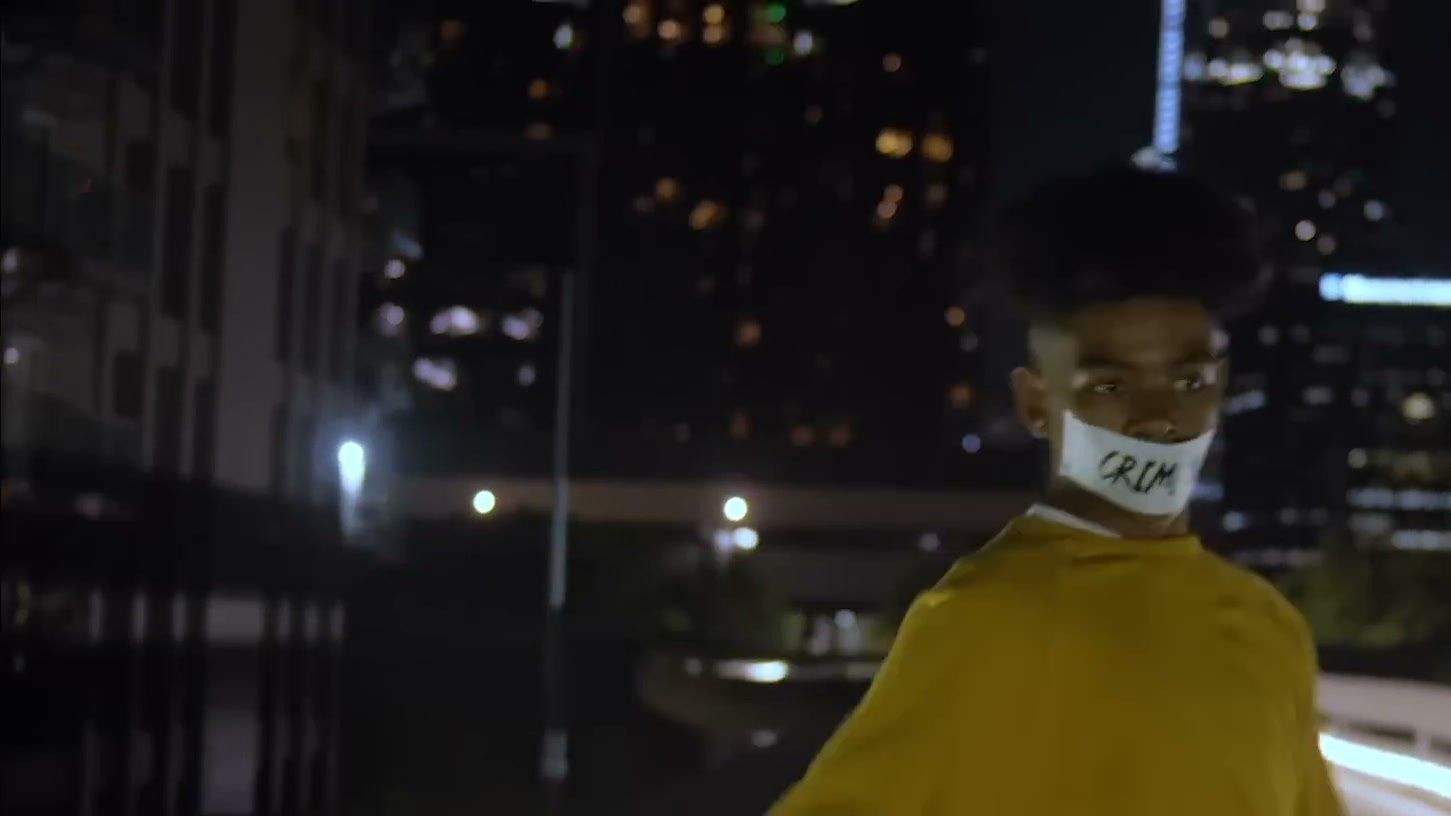
“LA” can mean different municipalities with different rules. The figures below come from FilmLA’s City requirements for the City of Los Angeles, last published August 21, 2026, and checked in October 2026. Confirm your site and activities with FilmLA and your producer before locking a date.
Commercial on-location filming on both public and private property within the City of Los Angeles requires a temporary-use filming permit. A private owner’s permission alone does not replace that requirement. Submit by 10 a.m. at least three full business days before the first activity, excluding the submission date. Some City properties, including LA City parks, require at least four business days; exceptional or high-impact activities need additional lead time. These are processing minimums, so plan permits early.
These are the three official fee components used in the sample budget:
| FilmLA fee | USD |
|---|---|
| Permit applicationUp to five locations and seven consecutive days | $931 |
| NotificationPer base radius | $232 |
| LAFD spot-check surcharge, LA CityPer permit | $287 |
If all three apply, they total $1,450. That is not an all-in permit price: fire-safety officers, FilmLA monitors, police, parking, closures, and location charges can add costs. Check venue access, power, noise restrictions, and parking arrangements alongside the permit requirements.
For standard motion filming, FilmLA lists a general liability minimum of $1 million per occurrence, with the City of Los Angeles and FilmLA added as additional insured. FilmLA must approve insurance before releasing the permit. Activities such as drone filming or work at ports and airports can change the coverage required, so discuss your plans with FilmLA and your broker.
The $1 million is a coverage limit, not the policy’s price. The sample budget’s $350 premium is only a planning allowance; obtain a quote for your dates and activities.
Small budgets work when you narrow scope before you cut essentials. Save by reducing what you must prepare, shoot, and finish, not by assuming crew, insurance, or safety work is unnecessary.
Pick one accessible location and get several looks inside it with lighting, wardrobe, and blocking. Staying at one address avoids packing, traveling, and relighting for a company move. Choose a performance concept you can actually rehearse. Rehearse performance and choreography before the crew arrives so you do not spend booked shooting time learning them.
Freeze the track version before filming. A new mix, new arrangement, or new length after the shoot can invalidate playback timing, edit points, and effects cues. Share visual references that show framing, color, wardrobe, and pace, and name one person to consolidate feedback. Consolidate notes within the agreed feedback rounds.
Plan vertical versions and shorter cuts as part of the commission. If social excerpts are simple reframes, allow edit time for them. If you want distinct vertical setups, schedule and light them; they are not free byproducts. Confirm gear pickup and return terms, shoot-day hours and overtime, meals, expendables, and who supplies wardrobe, props, and hard drives.
Use this compact checklist to compare equivalent quotes:
When you inquire, bring the track or mix status, release date and desired final-master deadline, budget range, two or three visual references, and your delivery list. That gives the company a starting point for discussing what fits and what has to change.
The evidence reviewed for this guide does not establish a representative U.S. average. Published packages and historical examples cover different scopes, markets, and years. Use the $5,000–$50,000 estimate for modest professionally crewed concepts as a starting allowance, then adjust for your treatment, days, locations, cast, and finishing.
Runtime alone does not set the price. A three-minute performance in one setting needs different resources from a three-minute narrative with multiple locations, choreography, and effects. Fix the song version and deliverables, then price the preparation, shoot days, and post hours required.
For the modest local one-day performance scenario above, allow roughly three to six calendar weeks from approved concept and budget to delivery as an editorial planning window: about one to three weeks to arrange concept, logistics, and availability, one shoot day, and about one to three weeks for edit, finishing, and feedback, which may overlap. That depends on bookings and approvals, and complex productions take longer. Work-hour totals do not dictate calendar delivery. Share your release date at inquiry, get milestone dates, and leave upload and promotion time outside production.
Guinness World Records lists Michael and Janet Jackson’s “Scream” as the most expensive music video, at $7 million in 1995, directed by Mark Romanek. That is a nominal historical figure, not inflation-adjusted.
Compare inclusions, not minutes.
Lock the song and outputs early.
Ask for equivalent quotes.
How we priced this
Sources were checked in October 2026 for U.S. planning with City of Los Angeles detail. Posted prices come from providers’ own pages, local requirements and fees from FilmLA, and the historical record from Guinness World Records. Planning bands and the $14,190 scenario are editorial estimates; the crew allowances are not 2026 industry minimums. We reviewed no representative national budget survey or Honey Video client budgets. Confirm prices, inclusions, dates, and jurisdiction before you commit.
Sources
Costs ·
Estimated production budgets, sample costs, and what to allow for talent, Los Angeles permits, and airtime.
Costs ·
Set a realistic video budget, see what it buys, and compare quotes with confidence.
Examples ·
Six customer stories, the lesson in each, and planning allowances for a similar new shoot.
Share the track status, release date, budget range, references, and delivery list.