Costs ·
How much does a music video cost?
Scope-based budgeting guide with real packages, a sample budget, and LA permit facts.
Now booking podcast studio builds, nationwide Now booking podcast studio design and builds, nationwide.
See the studiosEstimated production budgets, sample costs, and what to allow for talent, Los Angeles permits, and airtime.
 Mauricio Cimino Founder and director of photography
The short answer
$3,000–$15,000 for a simple local commercial and $15,000–$50,000 for regional professional production are published 2026 planning ranges. Larger campaigns can reach $50,000–$500,000 or more. Concept, shoot days, cast, locations, and postproduction drive the total. Airtime is separate; check which talent and music rights the production quote includes.
Key takeaways
Start with the kind of commercial you need, then choose a budget range. This guide uses published production estimates and clearly labeled sample budgets to help you plan before requesting quotes.
| Production level | Estimated budget | Shoot days | Crew |
|---|---|---|---|
| Simple local spot One location, a simple concept, basic editing, and one 30-second master | $3k–$15k | 1 day | 2–5 |
| Regional professional production Concept and script, professional production, color and sound, plus short cutdowns | $15k–$50k | 1–2 days | 6–12 |
| Larger campaign production Multiple scenes or locations, art direction, complex post, and several lengths or formats | $50k–$500k+ | 2–5+ days | 12–30+ |
Budget bands: Vidico’s 2026 production estimates, checked October 5, 2026. Shoot days and crew sizes are illustrative planning assumptions, not measured averages. These broad production bands are a starting point for budgeting. Check allowances for talent, rights, music, permits, and insurance; media spend is separate.
Place your project by scope, not by finished seconds. A 30-second spot can fit any tier. What changes is how many people, days, locations, and versions you need.
 Watch the film
Consider an illustrative $30,000 budget for an employee-led product commercial: two shoot days, eight crew members, and one location. The planned deliverables are a 30-second master plus 15- and 6-second cutdowns.
Allow two to four calendar weeks for editing, color, sound, and two review rounds, assuming prompt feedback. These are assumptions for this example, not records from a completed project.
| Budget item | Illustrative allowance |
|---|---|
| Concept, script, and preproduction | $3,000 |
| Shoot crew for two days | $10,000 |
| Camera, lighting, and sound equipment | $3,000 |
| Location, permits, meals, and logistics | $2,500 |
| Editing, color, sound, and cutdowns | $6,000 |
| Producing, insurance, and administration | $2,500 |
| Contingency reserve | $3,000 |
| Total planning budget | $30,000 |
This model assumes employees appear on camera, no major set build, and no complex visual effects. Paid performers, talent usage, music licenses, travel, applicable taxes, and media placement need separate allowances. The figures demonstrate one possible allocation, not vendor day rates or an industry average.
To scale down, simplify the script, use one shoot day, and reduce the number of finished versions. To scale up, allow for added crew days, cast, locations, art direction, and finishing. Reducing a 30-second ad to 15 seconds does not automatically halve those costs.
Cost calculator
Price your commercial in a minute.
Six questions. A range you can take to your team.
Sample estimate
$16k – $37k
Commercial · 2 shoot days
Ask for inclusions and exclusions in writing. Inclusions list what the price covers. Exclusions list what it does not cover.
Make these boundaries clear on every bid.
A lower bid can cost more when it excludes permits, talent usage, music clearance, or versions. A higher bid can cost less when it includes them. Compare bids on the same scope, hours, deliverables, use, and exclusions.
Wistia documented a 2018 experiment with three versions of one ad idea. The budgets were $1,000, $10,000, and $100,000. Sandwich produced them in Los Angeles for Wistia’s Soapbox product.
The $1,000 version used an iPhone X. The $10,000 version used a Canon C300. The $100,000 version used an Arri Amira with a full crew.
This is a historical illustration of how scope changes a budget, not a current price list.
A commercial budget pays for decisions before the shoot, people on the shoot, and work after the shoot. Postproduction means editing, color, sound mixing, and finishing for delivery.
Preproduction locks the plan. It includes concept, script, storyboards, casting, locations, permits, schedule, and shot list. A locked script protects the budget because post-shoot changes can mean reshoots.
Put prep responsibility in your brief. Ask who books locations, secures permits, and confirms talent. Ask what happens to cost if you change script after approval.
Crew and gear scale with days and hours. Confirm the hours included in each shoot day and what triggers extra time. Evening hours, night work, and added setups can change pay and rental time.
A company move means packing gear and moving the crew to another address. Each move adds travel, setup, and teardown, even when the scenes look short on paper.
Ask your bidders to price the same hours. List start time, planned wrap time, meal breaks, and overtime terms. Then you can see why one bid allows a longer day than another.
Locations add fees and logistics. Confirm private site rental, access hours, and parking terms. Public or park sites can require permits and monitors, and an added location can add travel, setup, and teardown.
Ask whether location time includes load-in and load-out. Ask whether parking, power, restrooms, and neighborhood impact need added fees. A cheap room can turn costly once trucks and crew need space.
Edit, color, and sound shape the final spot. Edit builds story and pace, while color sets exposure and tone across shots. Sound covers dialogue cleanup, music, effects, and final mix, so revision rounds must have a clear limit.
Music rights depend on use. Buy the right term and territory from the start. A web-only license may not cover broadcast, paid placement, or a longer run.
Delivery means masters, cutdowns and formats. A cutdown is a shorter version cut from the master, such as a 15- or 6-second edit.
Revisions mean structured review rounds with one decision maker.
Name who collects approval comments before post starts. Ask how many rounds are included and what counts as a revision. Ask whether a new cutdown needs a new edit, new audio mix, or new rights.
Concept complexity
One interview setup can require less production than a story with several scenes.
Shoot days and hours
Longer days and added days raise crew, gear, and location time.
Cast size and direction
More performers mean more casting, wardrobe, and on-set time.
Locations and moves
Each address can add rental, permits, parking, and setup time.
Post and versions
Color, mix, graphics, and added cutdowns add post-production work.
Rights and clearance
Talent usage, music term and claim review can limit where you run.
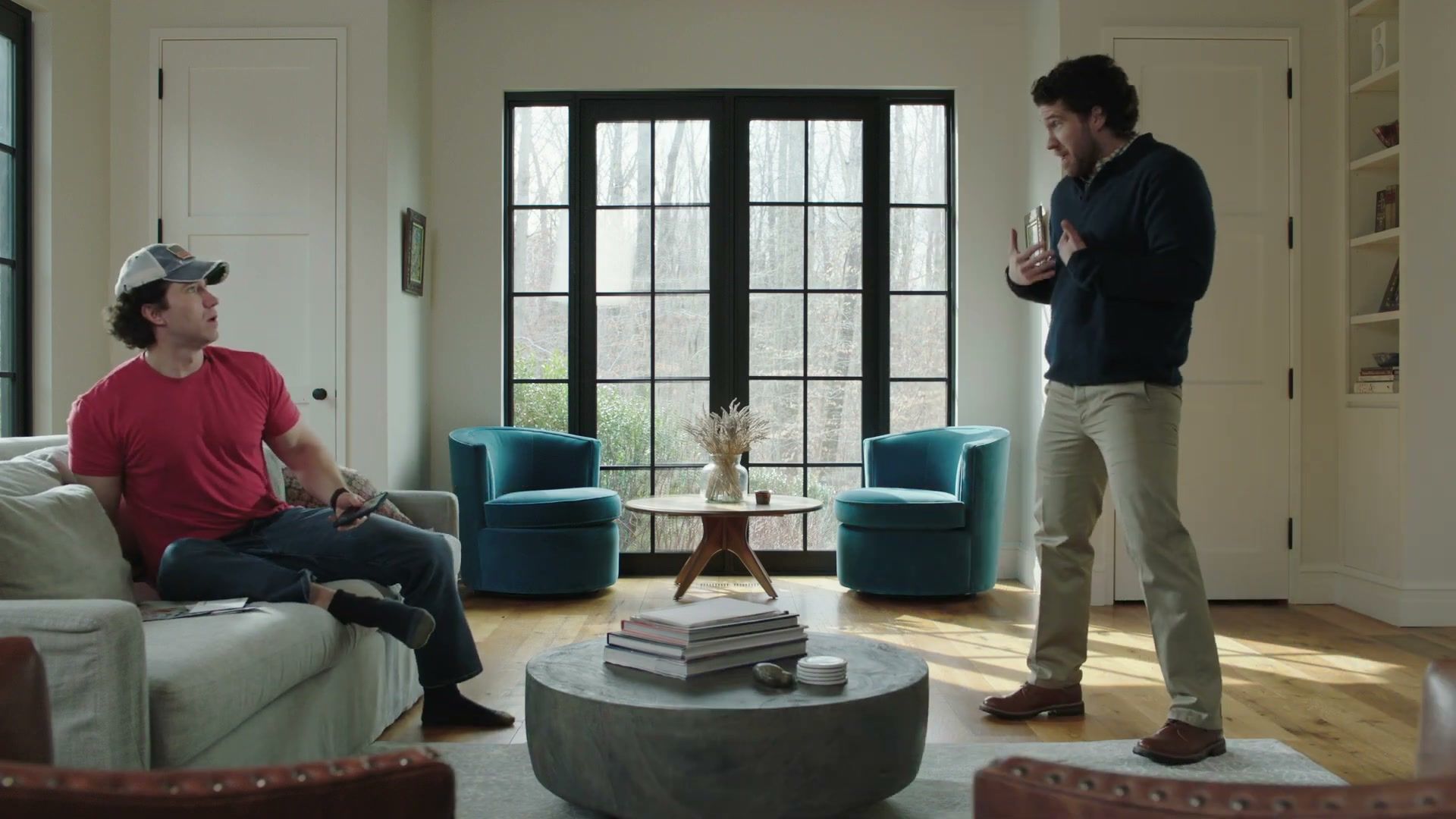
Send both companies the same brief. List deliverables, locations, cast, use, schedule, and approval owner. Ask each bidder to price that exact plan.
Then check exclusions. Look for permits, location fees, insurance certificates, talent usage, music licensing, overtime, meals, post rounds, and delivery formats. Ask which charges are excluded and what triggers extra fees.
Ask whether each version needs new captured lines, a different edit, or added rights. Your brief should list every length, shape, and placement up front.
For a Los Angeles shoot, include permits, location access, parking, and insurance in the brief you send to a commercial production company. That makes the estimate easier to compare with another bid.
Talent means paid performers. Usage means where, how long, and how often you may run the ad with those performers. Holding payments concern retaining rights under the applicable agreement, so confirm their terms with payroll.
Session is pay for the shoot itself. It covers time on set under the applicable agreement. Usage is payment for the right to run the finished ad, and it depends on market, media, and term.
Not every actor is paid each time an ad airs. Some deals pay per airing or cycle, while others use a set period. The contract controls the structure.
Ask which agreement applies before casting. If the project is union, ask whether it is signatory. Signatory means the producer has agreed to union terms.
Then ask a payroll specialist to confirm session, use, holding, pension, and health handling for your exact plan. Bring your cast count, shoot dates, media list, and run dates. Payroll can then confirm which payments and filings apply.
Under the SAG-AFTRA 2025 Commercials Contract framework, session fees may be applied toward certain use types. Holding credit rules can differ before linear or streaming use is purchased. Confirm current crediting with payroll; do not simply add a session rate to a full use rate.
Linear TV means traditional broadcast and cable shown on a set schedule. Streaming means delivery through apps and connected devices, often with different buying and rights terms. Your agreement may treat them as separate uses.
Traditional digital, paid YouTube placements, and streaming can be separate classifications. Do not treat a website, social post, paid YouTube placement, and streaming buy as one buyout.
List every placement in your brief. Include organic social, paid social, paid online video, and streaming. Ask payroll whether each placement needs separate clearance or payment.
Alternate scenes and lines can create extra obligations. Under the stated contract terms, prescripted alternate performances for a principal can trigger another session fee that cannot be credited against use. A principal performer is a featured performer, not background talent.
Ordinary editing of captured takes is not the same as ordering new alternate performances. Confirm what counts as a new performance before the shoot, especially if you want custom endings, offers, or calls to action.
Ask whether your 15- and 6-second versions can be cut from the master take. Ask whether vertical edits need new audio or new on-camera wording. Then check whether those choices change session, usage, or music terms.
Check the official contract page for your exact agreement and term. The Year 2 rate sheet covers April 1, 2026 through March 31, 2027. Confirm numbers with payroll.
Count on-camera performers first. Then price usage period and markets before you debate day rates.
Los Angeles shoot requirements depend on the city, the address, and the activity. This section covers the City of Los Angeles.
Other cities in LA County have their own rules.
Use this checklist for a City of LA shoot with on-location filming:
On-location filming in the City of Los Angeles generally requires a temporary filming permit, including commercial filming on public and private property. Discuss the actual address and activity with FilmLA. Studio situations vary.
FilmLA requires at least three full business days before the first activity, not counting the submission date, with a 10 a.m. cutoff. Some city property needs four business days. Exceptional activity needs more lead time.
Holidays can change timing. This is not a guarantee of approval.
| City of LA item | Listed amount |
|---|---|
| FilmLA applicationUp to five locations and seven consecutive days | $931per permit |
| Notification servicePer radius, not a universal per-project flat fee | $232per base radius |
| LAFD spot check surchargeWhere the program applies | $287per permit |
| Fire safety officerFour-hour minimum plus one hour travel time; assigned by activity, separate from spot check | $127per hour |
Source: FilmLA City of Los Angeles area requirements, published August 21, 2026, checked October 5, 2026. FilmLA said City of LA pricing was maintained for July 1, 2026 through June 30, 2027. Fees can change by jurisdiction.
These are separate charge units. Do not treat them as one fixed permit total. Your shoot may need only some items, or it may need added city services, officers, monitors or location charges.
The coverage limit is not your premium. The listed City of LA motion filming minimum is $1 million per occurrence for general liability. The City and FilmLA must be named as additional insureds.
Certificates must be approved before final permit release. Insurance premiums depend on the shoot and coverage; request a project-specific quote. Drones, harbor, airport, and other activities can require different coverage.
Private locations are negotiated separately. A park example is not a studio rate. FilmLA lists City Rec and Parks film use at $450 per day.
Separate prep, strike, parking, monitoring, and other charges are possible.
Brief a producer on the address, dates, hours, scenes, cast, crew, vehicles, equipment, parking, and neighborhood impact. Then ask what permits, staffing, insurance and location terms that plan triggers.
Production buys a file. Airtime buys placement. Keep them in separate budget lines for comparison.
Local TV, national TV, streaming and social use different buying units. Local and national TV often sell by spot, program, and time. Daypart refers to time-of-day blocks, such as morning, daytime, prime, and late night.
Streaming and social often sell by impression or auction. CPM means cost per one thousand impressions, where an impression is one ad delivery. Reach is how many people saw it, while frequency is how often each person saw it.
Do not combine per-spot, daily, campaign, and monthly figures into one range. A campaign minimum is not a monthly bill. A daily test budget is not national pricing.
Local quotes depend on market, program, daypart, season, and flight length. A flight means the period your ad runs, such as four weeks in one market.
Ask for the flight dates, markets, programs, and dayparts behind each quote. Ask whether the price covers one airing, a package or a season. Without those details, two quotes can look close while buying very different reach.
$500
Disney Campaign Manager’s listed minimum per campaign for US self-serve Disney Plus and Hulu ads.
Source: Disney Campaign ManagerSigning up is free, with no subscription, setup, or installation fees listed. That $500 is entry media spend. It is not production, CPM, reach, or a recommendation of enough spend.
Media cost = target impressions ÷ 1,000 × CPM. Vibe lists typical CPMs of $15–$30 on its CTV platform, depending on channels and targeting.
At those rates, 100,000 ad impressions would cost an estimated $1,500–$3,000 in media spend. Spread across a 30-day flight, that is $50–$100 per day. This is a planning calculation, not a guaranteed quote or a count of unique viewers.
Ask for a loaded total that includes every required fee. That loaded total is the number to compare across vendors.
Match your rights period to your media plan. Your flight should fit inside the dates covered by talent and music rights. Ask what renewal would cost before you extend delivery or add markets.
YouTube cost per view has its own limits. For eligible in-stream TrueView formats, Google counts a view after 30 seconds, completion if shorter, or an earlier interaction. Campaign estimates depend on settings, and target and actual view costs can differ in auction.
This does not apply to every YouTube format. In-feed and Shorts rules differ, while bumper and non-skippable formats are not TrueView eligible. Confirm which format and bidding rule your plan uses.
Plan your commercial budget before the shoot. Finished length does not set shoot cost in a straight line. A 15-second spot is not automatically half the price of a 30.
A 60-second spot is not automatically double.
The shoot builds the setup: location, light, crew, cast, and art. Added versions can still require edit time and rights.
Plan 30-, 15-, and 6-second versions before production. Add vertical framing where social needs it. A vertical version is a 9:16 edit for phones, so plan framing, titles, and safe areas on set.
Framing protection means shooting with extra room around the action. Safe areas mean the parts of the frame where titles and logos stay visible after cropping. Both help a wide TV shot still work as a phone-shaped edit.
A 60-second commercial needs scope review. It can need more story, more takes, more coverage, or more locations. Price the added shoot and post time, not just the added seconds.
Ask whether the longer story needs more cast, art or shoot hours. Ask whether broadcast clearance, music term or edit time changes with length. Those answers matter more than the second count.
Check rights for every version. Added edits may require additional audio work, music term changes, or talent use changes. Alternate script lines can trigger new performer obligations under some agreements, so confirm before you shoot alternates.
Put each version in the same brief. State whether it uses the same performance, a new edit, or a new recorded line. Ask post and payroll to price those three paths separately.
Lock one script with all versions listed.
A locked master plus named cutdowns can reduce reshoots and late edit rebuilds.
Ask for framing that protects vertical and short cutdowns.
That means extra room around faces and titles so phone edits stay clean.
Buy talent and music for the full run before filming.
Matching the use period to your media plan can avoid an early renewal.
Use one strong principal when the idea allows it. Each added performer can add casting, day rate, and usage. A crowd should earn its place in the idea.
For early planning, allow roughly $3,000–$15,000 for a simple local spot or $15,000–$50,000 for regional professional production. These published estimates vary with the concept, crew, cast, locations, and postproduction. Airtime is separate.
A useful planning range for a professionally produced business commercial is $15,000–$50,000, with simpler local work below that and larger campaigns above it. There is no single average in this guide that represents every commercial. Choose the scope closest to your brief, then request an itemized quote.
A simple local commercial may fall within the $3,000–$15,000 production band. The cost to run it depends on the station, market, program, daypart, and number of airings. Add the station’s placement quote to production and any rights costs to estimate the campaign total.
Not always. Union payment terms depend on the agreement, market, and use period, including applicable session and holding credits. Read your agreement and confirm how payroll is handled.
As a streaming example, 100,000 monthly impressions at a $15–$30 CPM would cost about $1,500–$3,000 in media spend. That calculation uses Vibe’s published platform range; actual rates and delivery vary by targeting and inventory. Production and any additional talent or music rights are separate.
Use $3,000–$15,000 for simple local production or $15,000–$50,000 for regional professional work as an initial planning range.
Price production, rights, and airtime as separate lines.
Confirm LA permits, insurance, and location terms for your address.
How we priced this
Prices are in US dollars, with sources checked October 5, 2026. Production bands come from Vidico’s published estimates; crew sizes, schedules, and the $30,000 budget are illustrative assumptions. FilmLA fees and platform pricing are attributed to their sources. The sample allocations and schedules illustrate possible scopes; they are not measured market averages.
Sources
Costs ·
Scope-based budgeting guide with real packages, a sample budget, and LA permit facts.
Costs ·
Set a realistic video budget, see what it buys, and compare quotes with confidence.
Examples ·
Six customer stories, the lesson in each, and planning allowances for a similar new shoot.
Share your concept, deliverables, shoot location, and planned media use.