Costs ·
How much does a commercial cost?
Estimated production budgets, sample costs, and what to allow for talent, Los Angeles permits, and airtime.
Now booking podcast studio builds, nationwide Now booking podcast studio design and builds, nationwide.
See the studiosSet a realistic video budget, see what it buys, and compare quotes with confidence.
 Mauricio Cimino Founder and director of photography
The short answer
$5,000 to $20,000 is an estimated planning allowance for a modest, professionally produced US business video, including planning, a small crew, and a straightforward edit. Simpler published interview packages start near $3,000, while more involved scripted campaigns can reach $50,000 or more for production only.
Key takeaways
You need a starting number before you can brief vendors or approve a concept. Start with the type table, then use the worked budget and checklist to compare quotes.
These are illustrative planning allowances for live-action business work in the United States, not survey averages or Honey prices. Use them to set an initial range, then get a project quote for your exact scope. Paid media to distribute the video is separate from production.
| Video type and scope | Estimated budget |
|---|---|
| Corporate overview or trainingOne or two shoot days, modest crew, staff interviews plus supporting footage, straightforward edit and captions; complex series excluded | $5k–$20k |
| Commercial or PSAScripted concept, directed crew, possible paid talent and locations, developed edit and finish; simple interview PSAs can cost less | $10k–$50k+ |
| Event videoSmall-team capture of a single event plus a highlight edit; multi-room coverage, live streaming, and extra edits are separate scope | $4k–$12k |
| TestimonialLocal interview plus supporting footage and one finished edit; a larger crew points toward the upper end | $3k–$8k |
| Live-action product demoPresenter in a controlled location, several demonstration setups, basic graphics; complex tabletop, food, automotive, or 3D work excluded | $5k–$15k |
| Simple music videoOne-day performance-led concept with a small crew; narrative sets, choreography, multiple locations, and effects need custom quotes | $5k–$15ksimple scope |
| Podcast episode recording and editStudio booking with a technician and live-cut files, plus editing as needed; Aura House Club in Los Angeles lists self-service from $100 per hour, a $275 clips package, and a $595 episode-and-clips package | $200–$300per booked hour |
Method: planning estimates developed for this guide using published provider packages and scope examples checked October 5, 2026. Podcast rates describe one vendor menu, not a national average. All figures in USD.
Quotes may price talent, permits, travel, location rental, and music licenses separately. Ask whether each item is included. That distinction matters more than the headline total.
Published packages show how scope changes price.
JLB Media pricing starts at $2,850 for a half-day live shoot and a 1- to 2-minute video with up to three interviews. Its full-day package starts at $5,300 for a 3- to 5-minute video with six to eight interviews.
New Evolution Video pricing lists testimonials from $3,000, about-us or brand videos at $7,000 to $12,000, and commercials at $10,000 to $30,000. It includes two rounds of revisions, listed equipment, and post-production.
Storyteller Studios reports smaller client projects at $5,000 to $15,000, campaigns at $15,000 to $30,000, and series or national campaigns at $30,000 or more.
Clutch review data needs careful reading.
$42k
Clutch’s arithmetic average agency project, $42,280.92. It also says reviewed projects typically cost less than $10,000.
Source: Clutch video production pricingThose statements can coexist because high-value projects can pull a mean above the common band. Clutch does not publish a median in this pricing guide, and a project can include more than one finished video.
Its agency rates are $100 to $149 per hour, including the United States row. Treat these as platform-specific context, not a national average for a single two-minute video.
Cost calculator
Price your video in a minute.
Six questions. A range you can take to your team.
Sample estimate
$6k – $12k
Corporate video · 1 shoot day
A short shoot price is not a finished-file price. Preproduction is the planning before filming, including concept, script, schedule, casting, and locations. Postproduction is the work after filming, including editing, color, sound mixing, titles, graphics, captions, and exports.
A cutdown is a shorter version cut from the master video for social or paid use.
Planning and concept
A clear script and shot plan can reduce avoidable shoot work and revisions. Unclear messaging can shift decisions into the shoot or edit. Approve the message, audience, and call to action before filming.
Shoot days and crew
Crew day rates cover a booked day. Ask how many hours it covers and which setup tasks are included. Crew size and extra location or interview setups affect the work you need to book.
Location logistics
Studio rental, office access, parking, meals, and equipment transport add up. Using your office still takes scheduling and staff time. Ask whether your location and activity need permits, officers, or monitors.
Usage rights
Talent and music charges can depend on intended use. Usage rights define where the video can run, for how long, and whether it can appear in paid advertising. A video cleared for organic social may need a new license for national paid use.
Edit, graphics, and revisions
Editing time depends on footage volume, story structure, graphics, and review discipline. Revisions are planned review rounds within the agreed scope. Ask which concept changes, reshoots, or major restructures count as new work.
Deliverables
Each output can need its own edit, framing, captions, and export. Do not assume a horizontal master will crop cleanly to vertical. List the master length, cutdowns, aspect ratios, captions, and file types before you ask for a price.
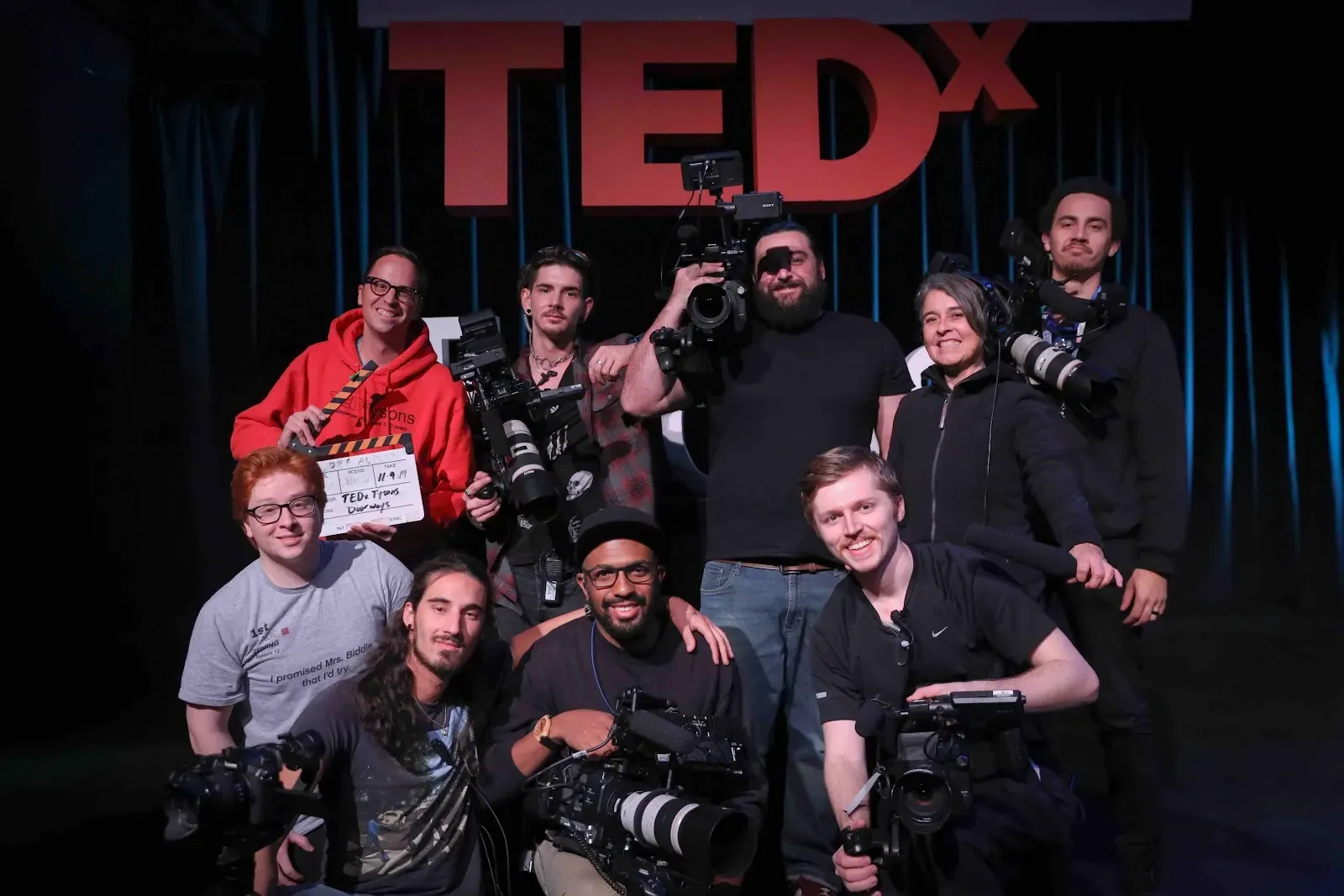
This hypothetical budget shows what a $10,450 planning total can include. It assumes one local eight-hour office shoot with a four-person crew, two staff interviews, and supporting footage.
You receive one 2- to 3-minute master plus two short cutdowns, simple titles and finish, and two consolidated revision rounds. You supply approved messaging, location access, and staff participants.
DP means director of photography, the person responsible for camera and lighting choices. In this scenario, the DP also operates the camera. Gaffer means lighting technician, the person who sets up and manages lighting.
Day rates below are illustrative vendor charges for the shoot day, not wages paid to individuals. Planning and post are separate work. Overhead and profit are assumed inside these illustrative charges, not added later.
| Line and assumption | USD |
|---|---|
| Planning, interview brief, and schedule12 hours × $100 | $1,200 |
| Producer and director on shoot day1 day × $1,000 | $1,000 |
| DP and camera operator1 day × $1,200 | $1,200 |
| Sound recordist1 day × $650 | $650 |
| Gaffer and lighting technician1 day × $650 | $650 |
| Camera, lighting, and sound package1-day allowance | $900 |
| Meals, parking, and local logisticsAllowance | $500 |
| Editing, cutdowns, and included revisions24 hours × $100 | $2,400 |
| Color, audio finish, basic titles, and captions8 hours × $100 | $800 |
| Library music licenseAllowance; license must fit actual use | $200 |
| SubtotalSum of lines above | $9,500 |
| Contingency10% planning reserve | $950 |
| Planning total$9,500 + $950 | $10,450 |
Contingency is money held for minor unknowns, such as extra parking, a longer interview, or a small schedule shift. The 10% reserve here is an editorial planning choice, not an industry rule. You can hold it, spend part of it, or release it if the project runs cleanly.
This example excludes taxes, site-specific permit and insurance charges, paid actors or voiceover, location rental, travel and lodging, overtime, heavy animation or effects, media buying, and unusual music or talent licensing. Staff participation also uses internal time for preparation, filming, and reviews.
This is a national hypothetical office scenario. It is not a Honey quote, client spending, rate card, or market average.
For Los Angeles, add the applicable administrative and insurance items before contingency, or recalculate on the revised subtotal. Editing and finish are separated so the same tasks are not counted twice.
Choose the hiring route that fits the scope and the management work you can handle. The same brief can produce very different totals if one quote includes planning and coordination and another does not.
Freelancer
Fits a well-defined small shoot with a clear brief. Can charge per-day filming plus hourly editing and separate extras. Agree who handles script, schedule, vendors, and reviews, and check capacity, backup, gear, sound, and edit time.
Production company
Fits work requiring coordinated crew and preparation. Can coordinate crew, gear, schedule, and finish, and can quote a project price for defined scope and deliverables. Check inclusions, and confirm responsibility, scope limits, revisions, and reshoots.
In-house team
Fits steady, repeatable volume. You fund and manage ongoing staff and gear: salary, benefits, equipment, software, storage, training, and management. Fixed cost continues between projects, and specialist gaps may remain.
Do it yourself
Fits simple updates and low-risk social clips. Staff handle filming and editing; existing gear lowers cash cost, but staff time remains. Sound, lighting, and editing skill limit quality and speed.
You can also use a hybrid approach: keep routine clips in-house and hire outside help for larger shoots or overflow work.
Capture’s published guide puts its middle freelance filming band at $600 to $1,200 per day, with central editing at $60 to $90 per hour. That is vendor guidance, not a measured wage survey and not a Los Angeles-specific rate. Ask which equipment, shoot hours, operator, editing hours, travel, and licenses are included.
A filming day rate alone is not a delivered-video total.
For scale, Rocket House Pictures reports $4,000 to $6,000 for a full-day shoot with a three-person crew, plus $100 per hour for post-production. That example shows why crew-day math and finished-project math differ. The crew day buys time on set.
The finished price also needs planning, editing, finishing, licenses, deliverables, and reviews.
No route automatically wins on quality. Experienced freelancers may bring a small team. Some companies subcontract parts of a job.
Compare portfolios, references, and scope-specific plans rather than assuming a company is always better or always more expensive.
Divide annual allocated in-house cost by usable finished outputs that match the outsourced scope. Include salary and benefits, gear, software, storage, management, time off, training, and the actual mix of deliverables.
For example, a hypothetical $120,000 annual allocation equals $5,000 per output at 24 comparable outputs and $2,000 per output at 60. Capacity, skills, and quality must stay in the calculation. No universal monthly video count proves in-house is cheaper.
Finished minutes do not set the price by themselves. Setup, planning, locations, interviews, graphics, and reviews also affect the total. Per-finished-minute cost is a retrospective ratio, total budget divided by final minutes.
It describes a past budget. It does not quote the next project.
A longer video can cost less than a shorter one. A three-minute interview with supporting footage can have a smaller scope than a short scripted ad with casting and art direction.
A simple interview-led two-minute piece can start near published package levels. JLB lists a 1- to 2-minute half-day package starting at $2,850. New Evolution places crewed 2- to 3-minute work at $7,000 to $12,000.
These are examples of different scopes, not upper and lower price limits.
Three minutes can mean an interview or a scripted story. JLB lists a 3- to 5-minute full-day package starting at $5,300 with a two-person crew and six to eight interviews. More locations, talent, graphics, or review rounds can increase the total.
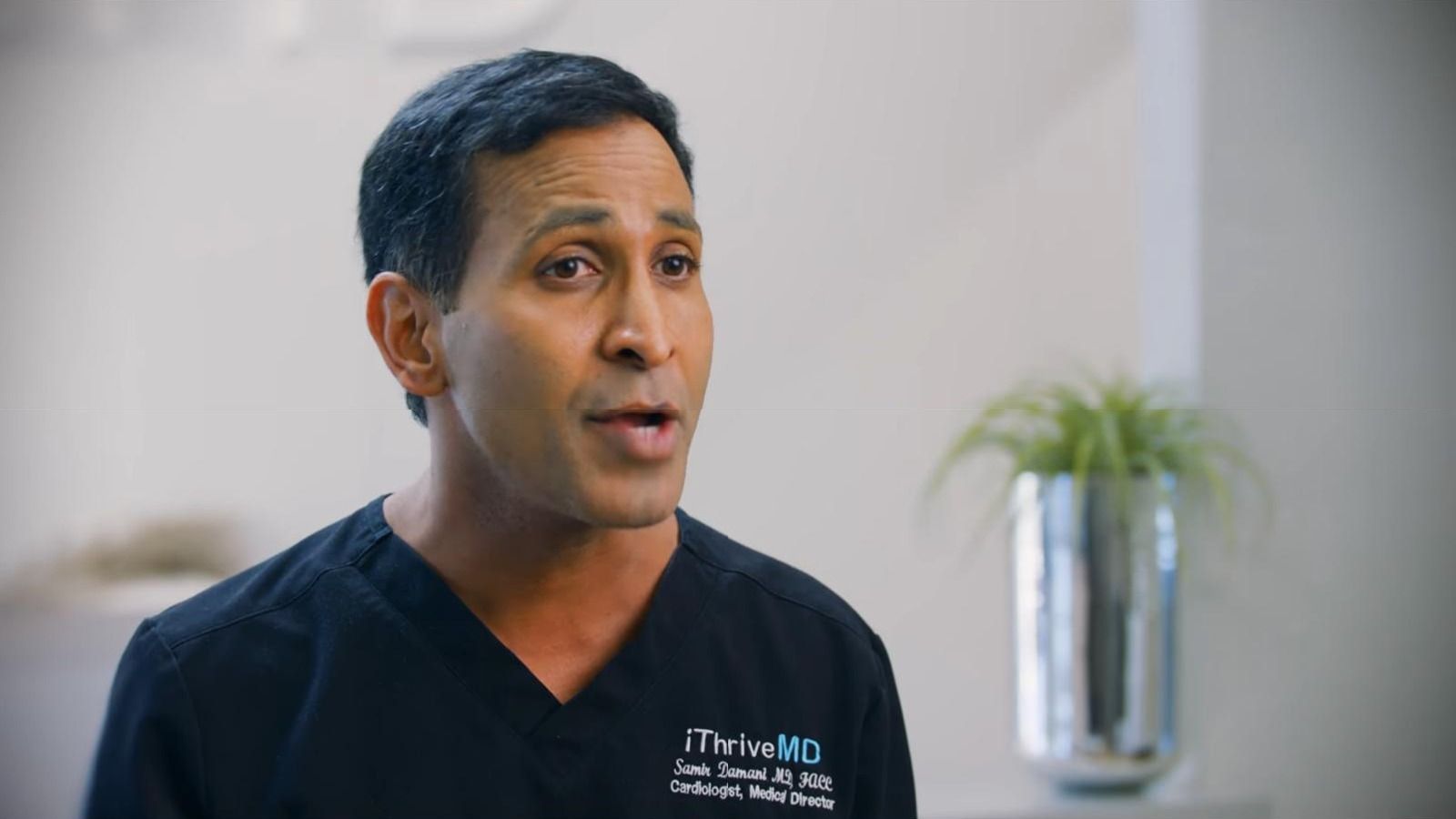
JLB’s published $5,300 starting package covers 3 to 5 minutes under its defined full-day scope. More footage and a more complex story can add editing work. Get a scope-based quote rather than multiplying a two-minute price.
The sources here do not establish a universal ten-minute average. A ten-minute single-room training session or panel recording is one scope. A ten-minute documentary with ten distinct scenes, travel, source-footage review, and graphics is another.
Estimate shoot days, interviews and locations, source-footage review, graphics, and review rounds.
Do not multiply a two-minute quote by five.
Using that calculation, the $10,450 hypothetical budget above equals $5,225 per finished minute for a two-minute master. This divides one planning total by the master’s length. It does not mean lengthening an edit adds no work.
For a Los Angeles shoot, include the applicable administrative costs. Rules depend on the exact address and activity, so confirm jurisdiction before you budget. The figures below cover the City of Los Angeles through FilmLA, not every city in Los Angeles County.
Fees can change.
FilmLA City of Los Angeles requirements list a $931 permit application covering up to five locations for seven consecutive days, a $232 notification charge per base radius, and a $287 Los Angeles Fire Department spot-check surcharge per permit. Those three sum to $1,450 only when all three apply. That total is neither a minimum for every permit nor the full filming cost.
The City requires permits for on-location commercial filming on public and private property. An office shoot isn’t automatically exempt just because it is indoors or on private property. Check the address and activity with FilmLA.
Allow lead time. FilmLA requires at least three full business days, excluding the submission day, with a 10 a.m. deadline. Exceptional or high-impact activity needs more time.
Insurance is a coverage requirement, not a price. FilmLA requires a $1 million per-occurrence general liability minimum for motion filming, with the City and FilmLA added as additional insured, approved before permit release.
Some activities, including drones, can require higher limits. The premium you pay an insurer is separate and project-specific.
Budget parking, location fees, posting, possible officers or monitors, and neighborhood notification as scope items. For example, FilmLA lists monitor time at $44.50 per hour subject to minimums and overtime rules. Fire safety officer time is listed at $127 per hour with a four-hour minimum plus travel time where applicable.
Location, hours, equipment, vehicles, and neighborhood impact decide which extras apply.
If you are comparing Los Angeles quotes, ask each vendor whether permits, insurance certificates, location fees, parking, overtime, and travel are included. Check these inclusions before treating two creative proposals as equivalent.
These planning choices can reduce booked work and avoidable revisions. They do not guarantee a percentage saving.
Consolidate filming and location access.
Film multiple interviews and supporting shots in one block. Fewer location moves can reduce crew and logistics work.
Approve messaging before filming.
Lock the audience, claims, script or interview plan, and calls to action. Changes agreed before filming can avoid later reshoots and structural re-edits.
Plan final versions and feedback together.
List the master, cutdowns, formats, captions, and file deliveries before the shoot. Assign one feedback owner and combine comments into each planned round. Define what counts as a new concept, extra edit, or reshoot.
Use this checklist to compare quotes on equal scope:
If you are still defining deliverables, browse Honey production services to name the video type and scope before you request estimates. A clear scope helps you compare quotes.
Recording episodes in a rented studio is a booking purchase. Designing and building a permanent studio is a construction and equipment purchase.
Honey’s podcast studio design service describes the latter, including set design, lighting, cameras, acoustics, installation, and workflow training. Do not compare a studio-build proposal with an hourly episode-recording rate.
The evidence here does not establish a representative national average for one business video. A useful planning range is $5,000 to $20,000 for modest professional work. Use published packages and a line-item budget to narrow that range to your shoot days, crew, locations, and edit.
JLB’s half-day package for a 1- to 2-minute video starts at $2,850. New Evolution lists crewed 2- to 3-minute work at $7,000 to $12,000. Your interview count, locations, graphics, and revision needs decide the total.
A three-minute interview video with supporting footage can fit a modest corporate budget, while a scripted piece with talent and locations adds scope. JLB’s published 3- to 5-minute package starts at $5,300 for a defined full-day scope. Compare crew size, shoot hours, edit hours, graphics, and rights before comparing totals.
JLB’s defined full-day package for a 3- to 5-minute video starts at $5,300. For ten minutes, price the scope: a single-room training recording and a multi-location documentary are different purchases. Price the shoot days, interviews, locations, footage review, graphics, and reviews.
Define the finished outputs and lengths first.
Put shoot scope, inclusions, rights, and revisions in the brief.
Compare vendors on the same checklist rather than headline price alone.
How we priced this
This guide uses published provider packages and budgeting guidance checked October 5, 2026, plus editorial planning allowances. Named packages come from the provider’s own pages. Planning bands and the $10,450 corporate example are hypothetical budgeting tools, not measured averages, Honey prices, or client spending. Clutch figures describe Clutch-reviewed agency projects and lack a published median and full method in the pricing guide. Los Angeles fees come from FilmLA’s City of Los Angeles schedule. All figures are in USD.
Sources
Costs ·
Estimated production budgets, sample costs, and what to allow for talent, Los Angeles permits, and airtime.
Costs ·
Scope-based budgeting guide with real packages, a sample budget, and LA permit facts.
Examples ·
Six customer stories, the lesson in each, and planning allowances for a similar new shoot.
Share your finished outputs, lengths, shoot scope, and the rights you need.